

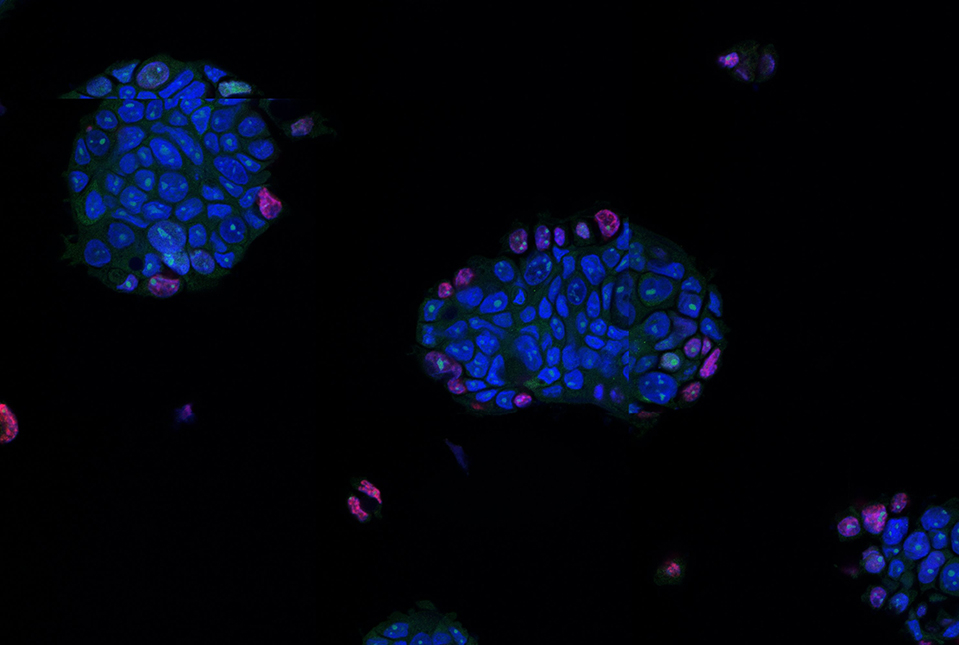
Significant advances have been made in the development of patient-derived tumor organoids for preclinical research, in two new studies led by Weill Cornell Medicine investigators. The advances represent progress in precision medicine and point to the more routine use of tumor organoids as models for evaluating and optimizing cancer treatments.
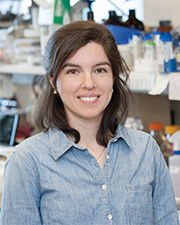
Dr. M. Laura Martin
Organoids are three-dimensional clumps of cells that mimic structural and functional features of an organ, tumor or other tissue. In one of the new studies, published June 26 in Science Advances, the researchers from the Englander Institute for Precision Medicine at Weill Cornell developed a library of 220 organoids grown from patients’ tumors obtained with informed consent. They demonstrated that these tumor organoids retained key characteristics of the parent tumors over extended periods and showed promise in screens to identify unrecognized treatment candidates. In the other study, published May 13 in Cell Reports Methods, the investigators developed lung tumor organoids that include T cells and other elements of the tumor’s immune environment—known to be a big factor in treatment responses.
“The main takeaway from these studies is that patient-derived tumor organoids are becoming very useful tools for precision oncology,” said senior author Dr. M. Laura Martin, an assistant professor of research in systems and computational biomedicine (courtesy) and director of the tumor organoid platform in the Englander Institute at Weill Cornell Medicine at the time the research was performed.
Modeling the Cancer Landscape
The 220-organoid library developed in the first study comes from tumor samples from 190 patients, and spans 15 different cancer types, making it an unusually versatile research platform.
The team characterized the organoids extensively, showing that they have high and stable similarity to their parent tumors in terms of microscopic appearance, driver DNA mutations, gene expression patterns and other features.
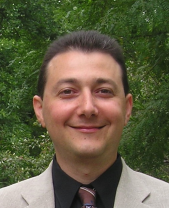
Dr. Andrea Sboner
In a demonstration of the organoids’ utility, the team selected a subset representing patient tumors that, based on standard clinical criteria, had been deemed ineligible for treatment with a new class of drugs called PARP inhibitors. They then tested a PARP inhibitor, talazoparib, on these organoids, and found that more than half—58%—showed substantial sensitivity to it, implying that the current clinical criteria are excluding patients who could benefit from such drugs. The team characterized the mutational and other features that made these organoids susceptible—offering clues to how the clinical criteria might be expanded—and identified drugs that synergistically enhance talazoparib’s effects.
“Essentially, these organoids appear to be very good preclinical models of the parent tumor, and are practical models because they can be used long-term,” said study co-senior author Dr. Andrea Sboner, associate professor of pathology and laboratory medicine, director of informatics and computational biology in the Englander Institute and a member of the Sandra and Edward Meyer Cancer Center at Weill Cornell.
Recapitulating the Tumor Immune Microenvironment
In the second study, the team developed a set of methods for making patient-derived lung tumor organoids that include the T cells and other immune cells normally found within and around tumors. Cancer biologists have long recognized the importance of this immune microenvironment in treatment responses, but its recapitulation from tumor samples has been a challenge.
The researchers devised tests for rapidly evaluating the activities of T cells in these organoids under different treatment regimens, including checkpoint inhibitor therapies that enhance the immune response.
“All of the assays we developed for these ‘immunocompetent’ organoids are scalable for high-throughput testing, which highlights the promise of these models for precision medicine,” Dr. Martin said.
Organoids as Avatars
Together, the studies showcased several different ways in which patient-derived tumor organoids can be used for preclinical research. As the researchers noted, there are many other potential applications.
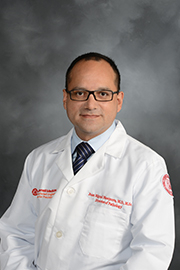
Dr. Juan Miguel Mosquera
“You can use these organoids as patient ‘avatars’ during clinical trials of experimental therapies, for example, to get an early picture of treatment effects and side effects,” said Dr. Juan Miguel Mosquera, a professor of pathology and laboratory medicine and director of research pathology at the Englander Institute, who, like Dr. Sboner, was a co-senior author of the first paper and co-author of the second.
The scientists also envision the future use of tumor organoid technology in selecting treatments for individual patients—growing an organoid from a sample of the patient’s tumor and then testing it rapidly with different treatment regimens to see which ones work best.
“It sounds like sci-fi but it’s not far away,” said Dr. Mosquera, who is also a member of the Meyer Cancer Center at Weill Cornell and a pathologist at NewYork-Presbyterian/Weill Cornell Medical Center.

