


Cholesterol-reducing statin medications to lower the risk of heart attack and stroke; personalized cancer therapies; mRNA technologies that revolutionized vaccine development and are now transforming cancer therapy. These are just a few examples of the countless innovations made possible by physician-scientists—physicians who divide their career between clinical practice and rigorous scientific, patient-inspired research.
“What fundamentally defines the value of physician-scientists is their ability to create the healthcare of tomorrow, using their training in clinical medicine and the scientific method as both stethoscope and scalpel,” said Dr. Kyu Rhee, professor of medicine in the Division of Infectious Diseases and professor of microbiology and immunology at Weill Cornell Medicine.
Yet, despite their critical role in the biomedical workforce to make groundbreaking contributions that have transformed clinical medicine, physician-scientists have steadily declined in relative and absolute numbers over the past four decades by nearly 70%, according to a paper by a consortium of 20 academic medical centers, foundations and professional societies, including Weill Cornell Medicine, Cornell’s Ithaca campus, Vanderbilt University Medical Center, American Society for Clinical Investigation, Burroughs Wellcome Fund and Damon Runyon Cancer Research Foundation, among others.
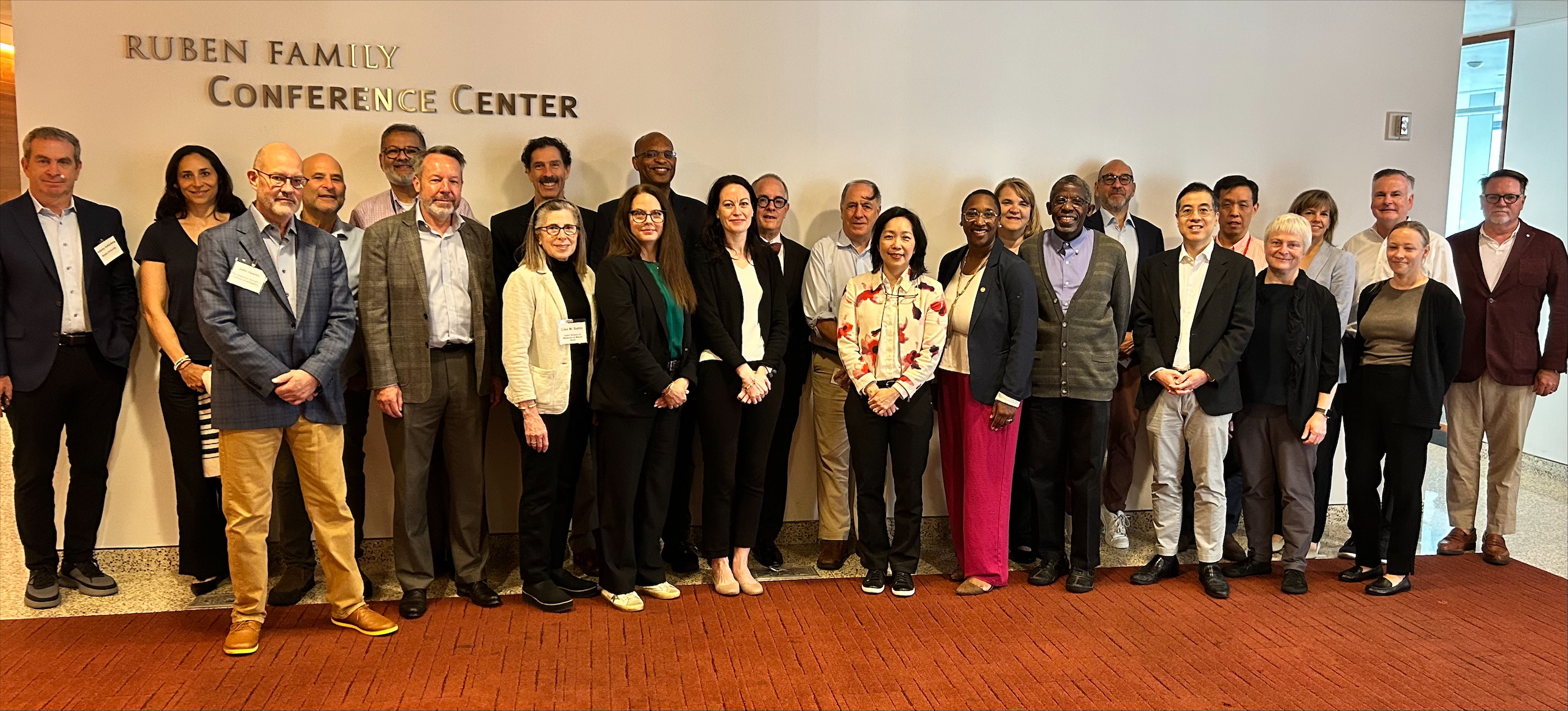
Members of a large consortium meet in August 2025 at Weill Cornell Medicine to discuss ways to nurture the next generation of physician-scientists.
Published online April 28 in JCI Insight, the paper, "Stabilizing and strengthening the U.S. physician-scientist faculty workforce in academic medicine: a proposed institutional framework," not only examines the academic, economic and organizational forces jeopardizing this hybrid career but, more importantly, proposes a framework with the potential to both remedy and revitalize this unique workforce.
The authors specifically highlight a historical lack of institutional infrastructure to support and differentiate physician-scientists from academic clinicians and non-clinical investigators, and describe how independent financial pressures from the clinical and research marketplaces have constrained the ability of physician-scientists to focus on patient-inspired research as their primary professional activity.
The paper provides a path forward by presenting a concrete institutional framework for academic medical centers and health systems to adopt and customize to formalize the physician-scientist career path, resolve the shortage and retain the next generation of this essential workforce.
“The growing deficit of physician-scientists is both a crisis and a unique opportunity to remedy the current situation and to better support and more fully realize the potential of what physician-scientists represent to academic medicine and society at large,” said Dr. Rhee, senior author on the paper and himself a physician-scientist who is also vice chair of research at the Weill Department of Medicine at Weill Cornell and an attending physician at NewYork-Presbyterian/Weill Cornell Medical Center. “The solution lies in creating an infrastructure that is meaningful and useful not just at any one academic medical center, but across multiple public and private institutions, and allocating financial resources to support physician-scientists to enhance their productivity and realize their potential to advance healthcare.”
As part of its strategic CARE plan, Weill Cornell Medicine is taking a lead role in “transforming the physician-scientist career,” Dr. Rhee said, by initiating a three-year pilot program that will implement and test the physician-scientist model the paper proposes, which includes three central and interconnected academic, financial and organizational pillars.
“The pilot program will provide support for physician-scientists, starting with junior faculty who have completed their training and established their own independent research program to deliver on the extensive investment that has been made in their training to develop the healthcare of tomorrow,” Dr. Rhee said. The program will begin July 1.

